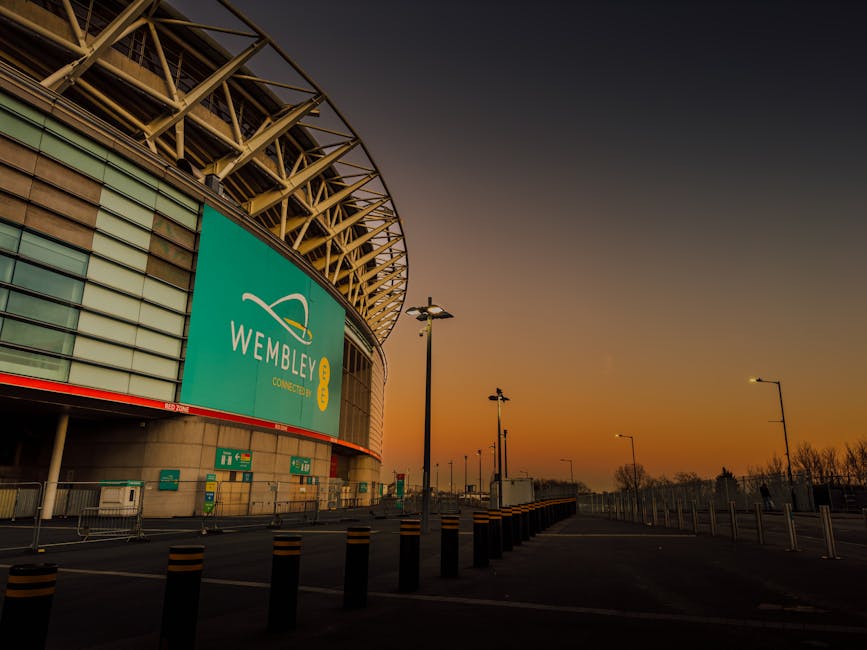
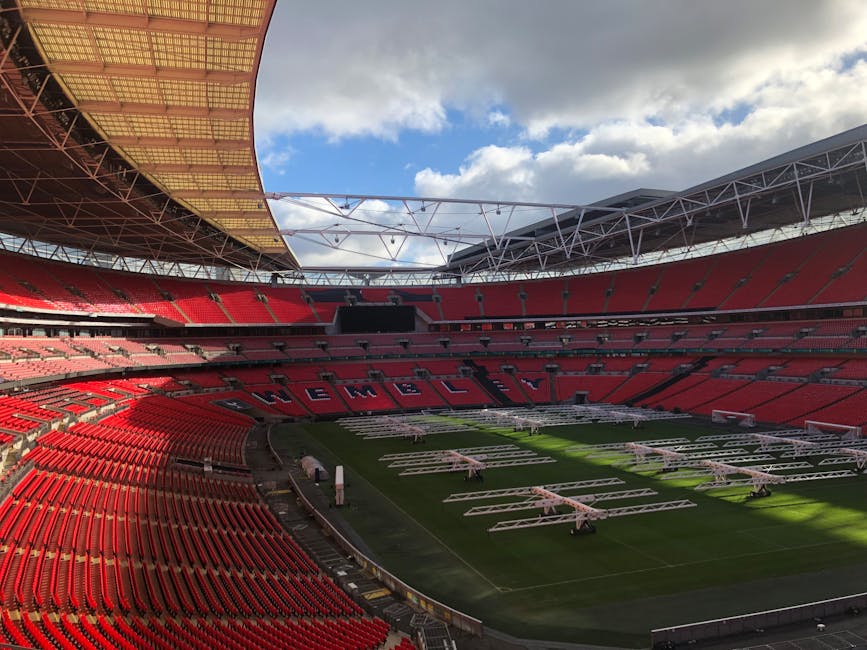
Wembley Stadium bulky waste removal for events and traders
Big match day. Busy market setup. A few hours of footfall, boxes, packaging, broken displays, food waste, cable offcuts, and the odd awkward chair nobody wants to carry back to the van. That is the reality behind Wembley Stadium bulky waste removal for events and traders. It is not just about tidying up at the end of the day; it is about keeping access routes clear, protecting staff and visitors, and making sure the site is reset quickly for the next wave of activity.
If you trade near the stadium, run event catering, manage a pop-up stand, or oversee clean-down after a concert, bulky waste becomes a logistics issue very quickly. The good news? With the right plan, it is manageable, efficient, and far less stressful than leaving it until the last minute. This guide walks through how it works, what to expect, what to avoid, and how to make better decisions when time, space, and compliance all matter at once.
Expert summary: bulky waste around Wembley is best treated as an operational task, not a late-night afterthought. The smoother your collection plan, the safer your site and the quicker your turnaround.
For businesses that need broader commercial clearance support, the page on business waste removal is a useful starting point, while larger mixed-load clean-ups can also overlap with general waste removal and, in some cases, builders waste clearance if you are dealing with temporary structures, fixtures, or dismantled fit-out materials.
There is a lot to think about, but the core idea is simple: remove bulky items safely, separate what can be reused or recycled, and do it in a way that suits the rhythm of events. Let's get into it.
Table of Contents
- Why Wembley Stadium bulky waste removal for events and traders matters
- How Wembley Stadium bulky waste removal for events and traders works
- Key benefits and practical advantages
- Who this is for and when it makes sense
- Step-by-step guidance
- Expert tips for better results
- Common mistakes to avoid
- Tools, resources and recommendations
- Law, compliance, standards and best practice
- Options, methods, or comparison table
- Case study or real-world example
- Practical checklist
- Conclusion
- Frequently asked questions
Why Wembley Stadium bulky waste removal for events and traders Matters
Wembley is not a quiet corner of west London. On event days, the whole area shifts into high gear. Traders need to load in and out fast. Event crews need clear pathways. Venue-adjacent businesses need to keep entrances usable. And bulky waste has a habit of getting in the way at exactly the wrong moment.
Bulky waste here usually means items that are too large, heavy, or awkward for ordinary bins. Think crates, flattened display boards, broken counters, seating, shelving, redundant stock packaging, food-service furniture, pop-up signage, and damaged equipment. Some of it is harmless enough, but once it starts piling up, it becomes a trip hazard, a fire-load concern, and a nuisance for everyone sharing the space. Not ideal when crowds are moving in waves and the clock is ticking.
There is also a reputational side to this. A clean, organised pitch or event footprint sends the right message. A cluttered one suggests poor planning. And if you are trading around the stadium, you do not want your stand, vehicle, or back-of-house area to become the messy bit people remember.
One thing people often underestimate: bulky waste is a space problem before it is a disposal problem. If you solve for space early, the rest gets much easier.
How Wembley Stadium bulky waste removal for events and traders Works
The process is usually quicker and more structured than people expect. In practice, it tends to follow the same pattern whether you are clearing after a sporting event, a concert, a trade show, or a trader run with multiple stalls.
- Identify what needs removing. Separate reusable items, recyclables, general bulky items, and anything that needs special handling.
- Estimate volume and access. A few large items can take more planning than a whole pile of lighter material. Lifts, stair access, loading windows, and vehicle proximity all matter.
- Book the collection window. For Wembley, timing matters. Early morning, late night, or narrow post-event windows can affect traffic, crowd movement, and the speed of clearance.
- Load safely and sort properly. Good teams do not just throw everything together. They separate what can be diverted from landfill where practical, and they manage awkward items carefully.
- Confirm the site is left clear. The best clean-ups finish with a quick visual check: no loose packaging, no sharp edges, no hidden debris under tables or behind barriers.
For traders operating from temporary setups, this often sits alongside other clearance needs. A stall may be a mix of packaging waste, damaged display furniture, old stock, and a fridge or appliance that has reached the end of its life. If that sounds familiar, services such as fridge and appliance removal or furniture disposal can be part of the wider plan, depending on what is being cleared.
And yes, sometimes the toughest item is not the heaviest one; it is the thing that is oddly shaped and refuses to fit through a doorway without a small argument. Happens all the time.
Key Benefits and Practical Advantages
A proper bulky waste plan does more than make the area look tidy. It improves the entire event workflow. That is the bit people feel later, when the rush has passed and the site is ready for the next phase.
- Faster turnaround: Less time spent dragging items around means quicker pack-down and setup for the next trader or event crew.
- Safer walkways: Removing obstructive items reduces trip risks for staff, security, visitors, and delivery teams.
- Better use of limited space: Wembley-side operations often work in tight loading zones, so clearing bulky items early prevents bottlenecks.
- Cleaner brand presentation: A neat stall or back-of-house area helps traders look professional, even during the messy end-of-day stage.
- More recycling opportunities: Sorting items properly can improve reuse and recycling outcomes, especially for cardboard, metal, timber, and some furniture components.
- Less stress for teams: A clear collection plan means fewer last-minute calls, fewer arguments over who is moving what, and fewer surprises after the event.
There is also a practical commercial benefit. If you use clearance support consistently, it becomes easier to plan staffing, vehicle use, and waste separation. That can save time across an entire season of events, not just one hectic weekend.
If sustainability matters to your operation, it is worth reviewing the site's approach to recycling and sustainability. Many event organisers and traders are trying to reduce mixed waste, and the easiest wins often come from separating bulky recyclables before they ever hit a vehicle.
Who This Is For and When It Makes Sense
This kind of service suits a wider range of people than many first assume. It is not just for major event organisers with large crews. It is equally useful for smaller traders who only have a handful of heavy items but little room to store them.
Typical users include:
- event organisers handling concerts, sports days, exhibitions, and temporary installations
- food and drink traders with packaging, shelving, damaged counters, or end-of-service stock equipment
- merchandise stands needing fast strip-out after busy sale periods
- pop-up retail operators with temporary furniture and display waste
- contractors and fit-out teams working around event spaces
- venue support teams managing back-of-house clearance and overflow items
It makes sense whenever bulky items are too awkward for ordinary bins, too urgent for a delayed collection, or too large to leave sitting around until the next day. In truth, if you are thinking, "We can probably deal with this later," that is often the exact moment when a clearance plan would help most.
Traders who also operate from stockrooms, offices, or seasonal storage areas may need services beyond event clean-down. For example, some will combine event clearance with office clearance or commercial clearance support. The last one is not an approved URL, so let's keep it simple: use the closest relevant service pages that already exist, and keep the plan practical.
Need a mixed household or business clearance alongside event waste? It is often worth looking at home clearance or house clearance if your team is dealing with overflow items from staff accommodation, temporary accommodation, or off-site storage after the event season. A lot of operations blur together more than people expect.
Step-by-Step Guidance
If you want this to run smoothly, start early. Not months early. Just early enough to avoid decision-making under pressure at 11:30 pm with a half-empty water bottle and someone asking where the cable ties went.
- Walk the site before the busy period. Identify likely waste points: entrances, vendor zones, prep spaces, back corridors, loading bays, and break areas.
- Separate bulky items from everyday waste. Keep the awkward stuff obvious. Do not let it disappear into mixed bins where it slows everything down.
- Choose the right collection method. For some traders, a same-day man-and-van style collection works well. For larger operations, scheduled removal windows are better.
- Mark anything that needs special handling. Fridges, damaged electrical items, sharp materials, and potentially hazardous waste should be isolated early.
- Keep the access route clear. If you have a loading point, preserve it. A cluttered route can make a ten-minute collection into a forty-minute headache.
- Do a final sweep. Check beneath tables, behind temporary counters, and around fencing or barriers. Small bits of debris have a way of hiding in plain sight.
- Record what was removed. For businesses, this helps with internal reporting, environmental tracking, and future planning.
A useful habit is to create a simple "clear and load" zone before the event ends. Even a few metres of open space can change the pace of the whole operation. It sounds minor. It really isn't.
Simple planning checklist for traders
- List bulky items before the event starts
- Assign one person to flag waste buildup
- Keep cardboard and reusable materials separate
- Store broken items away from clean stock
- Confirm vehicle access times in advance
- Check whether any items need specialist disposal
- Leave enough time for a final walk-through
Expert Tips for Better Results
Most problems with bulky waste are preventable. The trick is knowing where the pain points usually show up.
1. Plan for the exit, not just the event. People obsess over build-up and forget about take-down. The end of the day is often when waste volume becomes obvious, so budget time for it from the start.
2. Use clear sorting points. If your team has to guess where broken furniture goes, it will end up wherever there is space. That is how clean sites become messy ones.
3. Avoid overfilling one collection point. Small overflow piles grow quickly. A pile by the fence becomes two piles by the van. Strange how that happens.
4. Keep fragile and sharp items separate. Broken display glass, splintered timber, and damaged fixtures should be handled with extra care. Gloves help, but good segregation helps more.
5. Match collection timing to real footfall. A clearance slot that works on paper may be unusable if it clashes with crowd movement or security controls. Always think about the site as it actually behaves, not how the schedule looks in a spreadsheet.
6. Ask about reuse first. Some items are too good to throw away. A service that understands reuse and recycling can help keep more material out of general waste.
If you regularly deal with furniture after events, it may be worth comparing clearance options on furniture clearance and furniture disposal. The best choice depends on condition, quantity, and how quickly it needs to disappear.
And one more small thing: keep a spare pair of gloves and a marker pen in the kit. Not glamorous, but it saves time. Every time.
Common Mistakes to Avoid
It is easy to get this wrong in ways that feel minor at the time and irritating later. Here are the usual culprits.
- Leaving clearance until after crowd dispersal: by then, transport queues and tired staff make everything slower.
- Mixing hazardous and non-hazardous items: once mixed, the whole load can become harder to process safely.
- Underestimating volume: a few large items can take up more space than a dozen bags.
- Not protecting walkways: one misplaced trolley or box can create a surprising risk in a crowded area.
- Assuming every item can go in one vehicle: bulky waste often needs multiple load decisions, not one big guess.
- Ignoring recycling opportunities: mixed loads are convenient, but they are not always the smartest choice.
Another common issue is poor communication between the trader, the event organiser, and the clearance team. If one person assumes the other has arranged the removal, nobody has. That little gap can be expensive in time and patience.
For traders with end-of-day stock destruction or confidential material, remember that some items need more than simple disposal. In those cases, confidential shredding may be relevant, especially where paperwork or branded materials should not be left exposed.
Tools, Resources and Recommendations
You do not need a huge toolkit, but you do need the right basics. The smoother event clear-downs are usually the ones where the team has thought ahead about handling, sorting, and loading.
Helpful items to have on hand
- heavy-duty gloves
- marker tape or labels for sorting
- box cutters or safety knives, used carefully
- folding trolleys or dollies for awkward items
- bungee cords or straps for secure loading
- bin bags for small residual waste
- a site map with access points marked
In some situations, clearance work overlaps with storage clean-outs or seasonal reset jobs. That is where pages like garage clearance or loft clearance can be useful, especially if the event stock or display materials have been sitting in back rooms for months.
If your bulky waste includes damaged white goods, keep them separate and make sure they are dealt with through an appropriate route. The fridge and appliance removal page is the right place to start for that type of item. Appliances are common, and they are often more awkward than they look.
Law, Compliance, Standards and Best Practice
Any waste activity in the UK should be treated carefully. You do not need to become a legal expert, but you do need basic awareness and sensible checks. That is especially true for event and trader waste, where multiple parties may be involved and the chain of responsibility can get fuzzy if nobody is paying attention.
As a rule of thumb, keep waste separated where practical, do not mix general bulky waste with items that need special handling, and work with providers who can explain how they manage disposal, recycling, and safety. Good practice also means understanding your duty of care for waste handed over by your business, and making sure records or transfer details are handled properly where required.
Safety matters too. Large items can injure staff if lifted badly, moved without enough people, or stacked in unstable ways. That is why it is sensible to check a provider's approach to health and safety policy and insurance and safety before booking. Simple, really. If someone cannot explain how they protect people and property, that is a warning sign.
For businesses handling sensitive or regulated content, compliance can extend beyond physical clearance. Consider document handling, confidential materials, and any specific item restrictions. If you are unsure whether something is suitable for ordinary collection, ask before the day of removal. That conversation is always cheaper than fixing a mistake later.
Best practice also includes transparency around pricing and service scope. If you want to understand how estimates and quotes are usually presented, the page on pricing and quotes is a sensible reference point. Clear expectations help avoid awkward surprises, and nobody enjoys those.
Options, Methods, or Comparison Table
Different clearance methods suit different Wembley event scenarios. The right choice depends on volume, access, item type, and how quickly the site needs to be reset.
| Method | Best for | Strengths | Limitations |
|---|---|---|---|
| Same-day manual collection | Small to medium bulky loads | Fast, flexible, simple for traders with limited waste | Less efficient for very large volumes |
| Scheduled bulk clearance | Event clean-downs and larger trader setups | More organised, better for access planning | Needs advance coordination |
| Skip-based approach | Longer projects or repeated waste build-up | Handy for ongoing disposal over time | Not always ideal where space is tight or access is limited |
| Mixed commercial waste service | Operations with general waste plus bulky items | Flexible, practical, often easier to manage | May need sorting discipline for best results |
If you are weighing up whether a skip is suitable, it may help to review what can go in a skip. That gives you a clearer sense of what belongs together and what should be handled separately. Sometimes a skip is fine. Sometimes it really is the wrong tool for a tight Wembley-side loading area.
The honest answer? There is no single best method. The best method is the one that fits the site, the schedule, and the items in front of you. Not the theoretical one. The real one.
Case Study or Real-World Example
Picture a food-and-merchandise trader set up after a busy stadium event. By the end of the day they have broken down display shelving, empty packaging, a damaged counter panel, two old stools, several cardboard towers, and a small appliance that stopped working halfway through service. Nothing dramatic. Just enough to make the packing area feel cramped and slightly chaotic.
The team starts by separating recyclable cardboard, reusable stock containers, and items that need removal as bulky waste. The damaged furniture and broken display pieces go into a separate pile, and the appliance is set aside for appropriate collection. One person stays focused on keeping the exit route open while another does a final sweep around the stand.
The difference is immediate. Instead of three people dragging mixed rubbish through a crowded corridor, they deal with the waste in a controlled sequence. The pack-down is calmer. The van loading is quicker. And when the team leaves, there is no lingering pile by the barrier that somebody else has to deal with tomorrow morning.
That is the kind of outcome most event teams want. Not glamorous, just efficient. Truth be told, efficiency is glamorous when you are trying to finish at midnight.
Practical Checklist
Use this before and after your event clean-down:
- Confirm collection timing and access windows
- Identify bulky items before the event ends
- Separate reusable, recyclable, and disposable materials
- Set aside fridges, appliances, or other specialist items
- Keep walkways and emergency routes clear
- Label waste zones so staff know where things go
- Check whether confidential materials need special handling
- Review health and safety arrangements for lifting and loading
- Do a final site sweep before sign-off
- Record what was removed for future planning
If your event also overlaps with commercial office clear-outs, having the right support for office clearance can be helpful, especially for temporary admin spaces or storage rooms used during event delivery.
And if you are coordinating a bigger business tidy-up beyond the event itself, business waste removal is often the most relevant route for ongoing support. Simple, useful, done.
Conclusion
Wembley event waste is rarely about one massive pile. It is usually a series of small decisions made under pressure: what gets kept, what gets moved, what can be recycled, and what has to go right now. Get those decisions right, and the whole job feels smoother. Get them wrong, and even a modest amount of bulky waste can turn into a frustrating bottleneck.
The best approach is to plan early, separate items properly, keep access routes open, and choose a clearance method that fits the real-world conditions on site. That is how traders, crews, and organisers stay ahead of the mess instead of chasing it.
Get a free quote today and see how much you can save.
If you want a dependable next step, start with a service that understands both event timing and business waste handling. A clear plan, a sensible collection window, and a tidy finish can make all the difference. Little things matter here, and in Wembley they matter a lot.
Frequently Asked Questions
What counts as bulky waste at Wembley events?
Bulky waste usually means large or awkward items such as furniture, shelving, display units, crates, broken equipment, packaging stacks, and temporary fixtures. If it is too heavy, too large, or too awkward for ordinary bins, it probably belongs in the bulky category.
Is bulky waste removal useful for small traders too?
Yes. Small traders often have fewer items, but the items can still be awkward and time-sensitive. A single broken counter or a few large boxes can create more disruption than expected, especially when space is tight.
Can event waste and trader waste be removed together?
Often, yes. That depends on the mix of items and the site setup. If the waste streams are broadly similar and access is coordinated properly, combining them can be efficient. Separate handling may still be needed for appliances, confidential materials, or anything hazardous.
What should I do with damaged furniture after an event?
Set it aside for dedicated clearance rather than mixing it with general rubbish. Damaged furniture is often bulky, awkward to stack, and better handled as a separate load. If you need a related service, the furniture clearance and furniture disposal pages are relevant starting points.
How do I prepare a Wembley-side site for bulky waste collection?
Keep the route clear, group items in one location, separate special waste, and confirm loading access in advance. The more obvious the collection point is, the less time the team spends moving things around.
Do I need to sort recyclable materials before collection?
It is not always mandatory for every item, but sorting is usually better practice. Cardboard, metal, wood, and some furniture components are often easier to process when separated early. It also helps reduce mixed waste.
What about fridges or other appliances?
Appliances should be handled separately because they may need different processing. The fridge and appliance removal page is the most relevant place to look if your bulky waste includes white goods or similar items.
Is same-day bulky waste removal possible?
Sometimes, yes, especially for smaller or more straightforward collections. The real question is access, timing, and volume. For larger event sites, scheduled collection is often more reliable than trying to squeeze everything into a rushed same-day plan.
How can I avoid safety issues during pack-down?
Keep walkways open, use enough people for lifting, wear suitable gloves, and avoid stacking unstable items. Safety slips tend to happen when everyone is tired and trying to finish quickly, so a small amount of structure goes a long way.
What if some items may contain confidential information?
Separate those items immediately and do not leave them exposed. Confidential shredding may be more appropriate than ordinary disposal if paperwork, labels, or branded materials need extra protection.
How do pricing and quotes usually work for bulky waste removal?
Quotes are usually influenced by volume, item type, access, labour, and timing. If you want a better sense of how estimates are usually structured, the pricing and quotes page is worth reviewing before you book.
Where can I learn more about company standards and trust signals?
It is sensible to look at pages that explain safety, compliance, and service standards. The about us page, health and safety policy, insurance and safety, and recycling and sustainability pages all help build a clearer picture of how the service works and what it prioritises.
What is the best next step if I need Wembley event clearance soon?
Make a quick item list, note the access constraints, and choose the most suitable clearance route before the event gets busier. If you are ready to move forward, book online or request a quote once you have the basics to hand.